
Curb Appeal: Go Big or Go Home
July 22, 2011 § Leave a comment

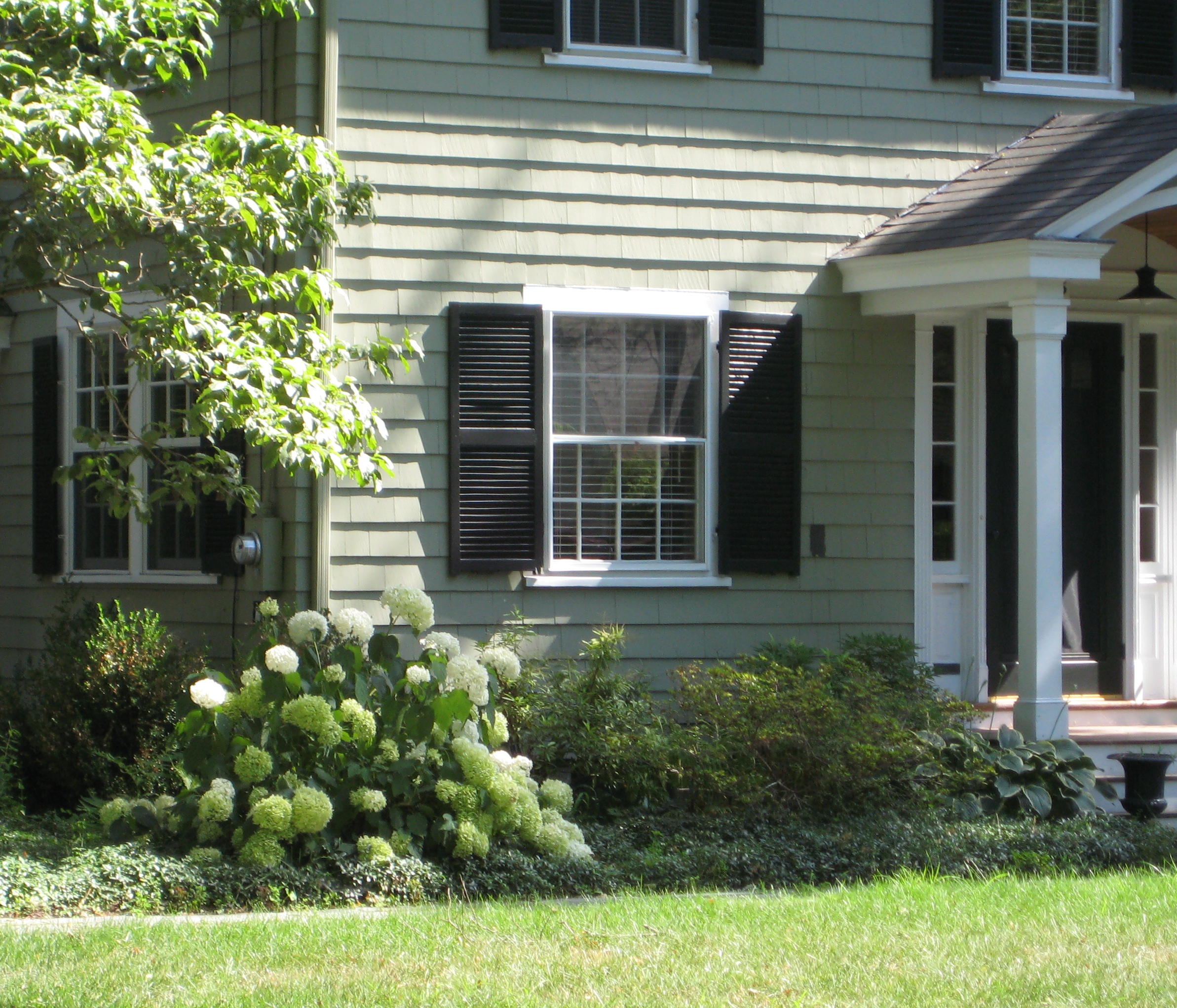 When it comes to landscape plantings, you don’t need contrasting color to make an impact. Look at this green house — not a single pink annual in sight.
What makes an impact is the scale of the plantings like the big hosta and the white hydrangeas all in various shades of greens and creams — in front of a green house! Who would ever think!
If you want a big bang for the buck (as they say), use large blooms (hydrangeas, peonies) and big leaves (hosta in various shades) to enhance your home’s summer curb appeal with minimal fuss.
Choosing Siding Color (or Colors) for your House
July 19, 2011 § 4 Comments
 If your house has an architectural feature — maybe a porch, a large portico, or a distinctive garage — consider using an accent color for the siding instead of the color you’ve chosen for the house.* The effect is obvious. The accent color will stand out. This color technique is perfect for large houses that might look too massive if they were all the same color. Dividing up the exterior color gives you an opportunity to highlight the design of your home and make a large-scale house a bit cozier.
Speaking of a massive house that could use a little visual down-sizing, maybe we should consider accenting the architectural detail on the White House with a little color! … (oh, forget it… we’d get into that red state/blue state thing — no wonder the place is still white!)
Anyway, color can be used creatively to re-scale a large structure and add visual interest.
If you want your house to look bigger, however, this technique is NOT for you. Dividing up the exterior color chops up the house and calls attention to small areas. If your small house currently has a multi-colored siding palette, consider painting it all one color and using the accent colors for doors, shutters, furniture, flowers, and other accessories.
*The construction of the Doyle Center in Leominster, MA, is really interesting. Here’s a link: http://www.thetrustees.org/what-we-care-about/climate-change/green-buildings/doyle-conservation-center.html
Green Decorating: Tackling an Ottoman
July 18, 2011 § Leave a comment
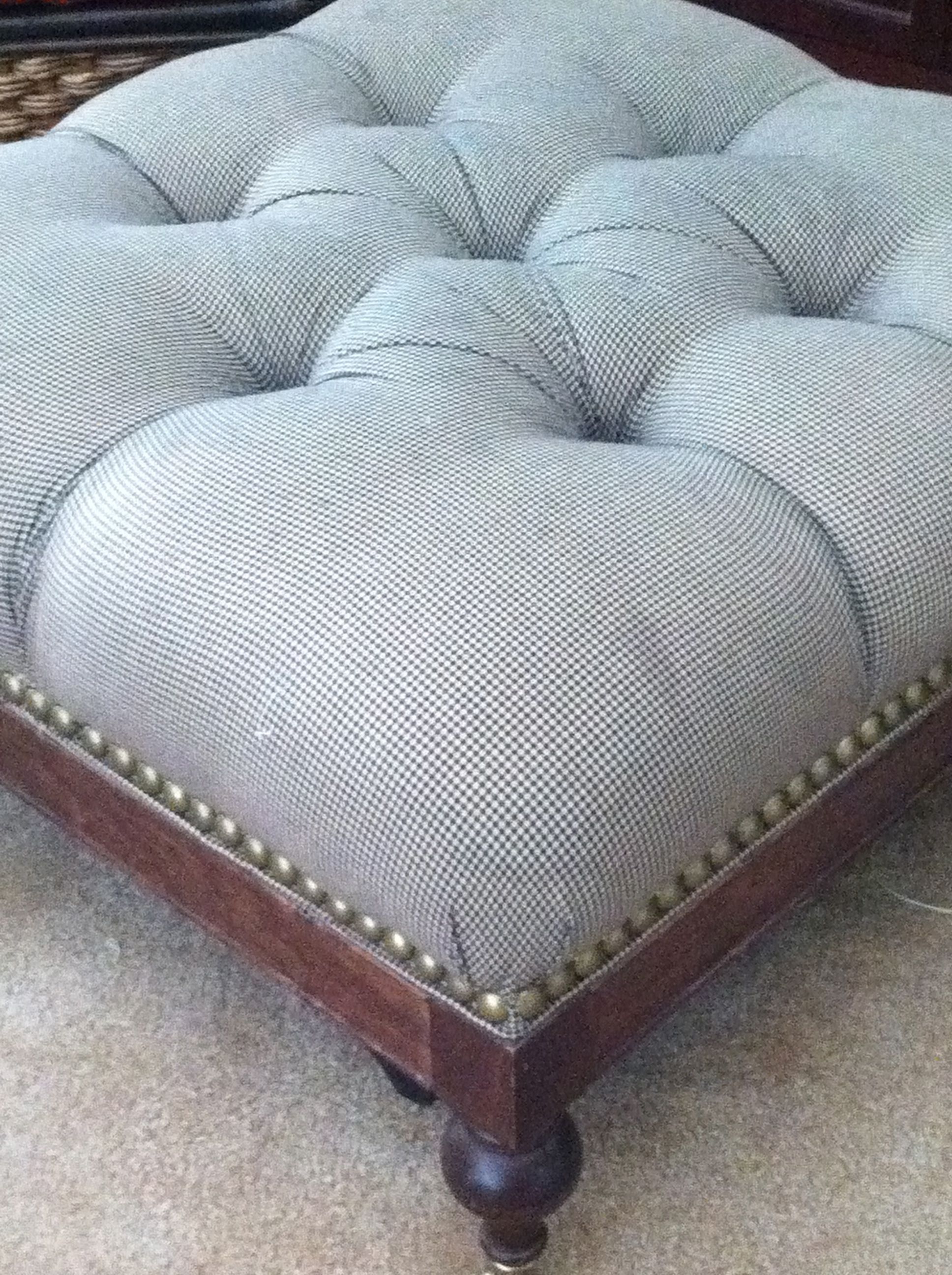
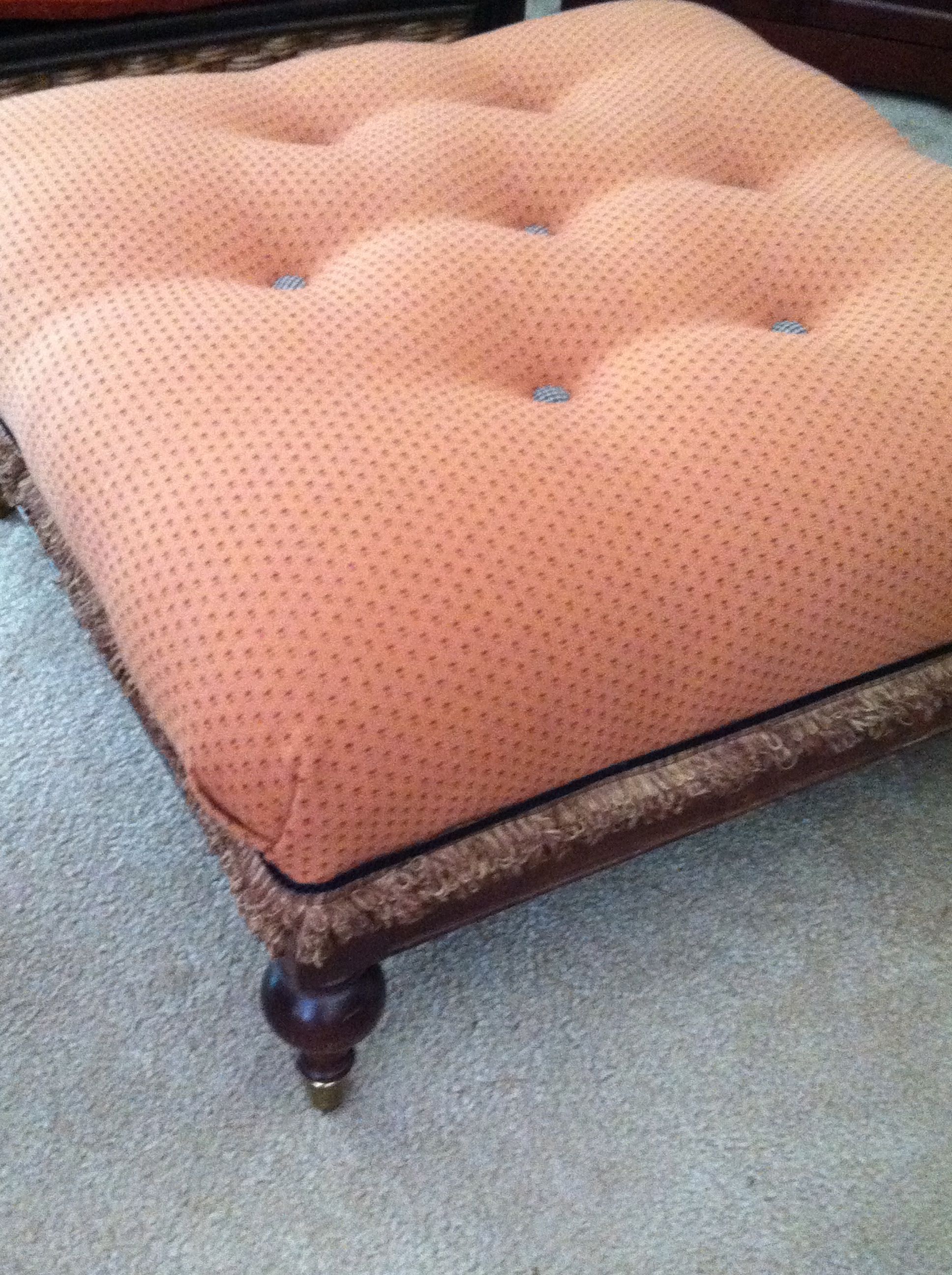 Bartering can be a wonderful thing — especially when you acquire a piece of furniture in need of only a little facelift and you’re up for a fun project.
The fabric on this ottoman (photo above right) was soiled and worn so I removed all the nail heads, cut a piece of scrap fabric (from a massive fabric store sale), and stapled the new fabric to the frame. I even used the same black & white gingham buttons for tufting. Since I didn’t have a special long needle, I used a long metal skewer from my kitchen drawer to draw the heavy duty thread through the stuffing and poke it through to the other side where I fastened the thread to a wad of cotton batting to secure the little button. The only thing I purchased was the new trim (also on sale) to cover my many staples along the bottom edge. I chose a brown fringe to go with the wood and a black piping to go with the black buttons.
Next on the conquer-furniture list? Slipcovers for two big upholstered chairs!
Crown Molding: A Crowning Achievement or a Hot Mess
July 15, 2011 § Leave a comment
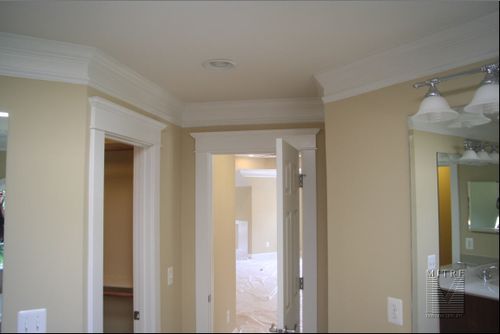 If lighting is the jewelry in the room, the crown molding is like a proper hem — no stitches showing. Crown molding covers the seam between wall and ceiling and adds weight and architecture to the room. And by drawing the eye upward, crown molding can create the framework for painting the ceiling something other than white. But done improperly, crown molding will lead to painting miscues and a hot mess.
I ran into just such a situation today on a high-end new construction job. The carpenter had “built up” the molding by using a couple of inches of wall between the crown at the top along the ceiling and another cheaper piece of finish molding along the bottom edge (photo shows how it’s supposed to look). The idea was to make the finished unit (crown + wall + smaller molding — all painted trim color) look like a giant (read: expensive!) piece of crown molding. What happened was that the carpenter did not finish the edges at the doorway leaving wall space exposed. The painter then came along and, not having a finished piece of molding to serve as the starting point, he (or she) drew a LINE on the wall with a pencil and started painting wall color on the other side of it. Oh…my…gosh… and this was high-end construction??
So two warnings:
If you are using crown molding, make sure you get an experienced carpenter who has the sense to finish edges. If you’re putting it up yourself, do your research first and know how you’re going to go around corners and finish edges properly.
If you are painting a wall, you must have a piece of architectural molding or the wall edge in order to move from one color to another. Never draw a vertical line on the wall to separate two colors unless you’re painting stripes. That’s it!
Phew! ‘Nuf said…
The “Accent Wall” is Back!
July 7, 2011 § 2 Comments
 Maybe it never really went away for some people, but for others the thought of an “accent wall” just screams ’80s. But you know, honestly, they’re not a bad idea… in some cases. Accent walls (I should dream up another name!) can take a large room and create a cozy nook, or a di
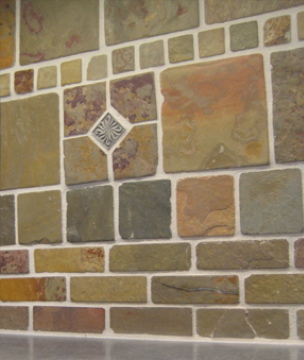 ning area. Like this kitchen. The walls were a gray blue, and half of the large space was dominated by white cabinets and a slate tile backsplash. So we pulled some of the orange out of the tile and created an “area of interest” on the other end of the room. The color is Tucson Red (1300).
Using an accent color on one wall is also a great way to warm up a loft or other modern, non-descript space that needs instant architecture. We call it “color blocking” — yes another term from the high-fashion ’80s (I’m dating myself) — but it’s a terrific way to take a neutral, often white, space and add large pops of color. Instant focal point!
When an accent wall doesn’t work is when the room is too small or too square. Painting one wall a different color might just chop up the room too much. But if you have a long narrow room, painting the far wall a warm color will bring it forward visually and make the room feel less like a bowling alley and more like a well-designed, pulled-together space created by you.
Staging: Before & After Photos
July 5, 2011 § Leave a comment
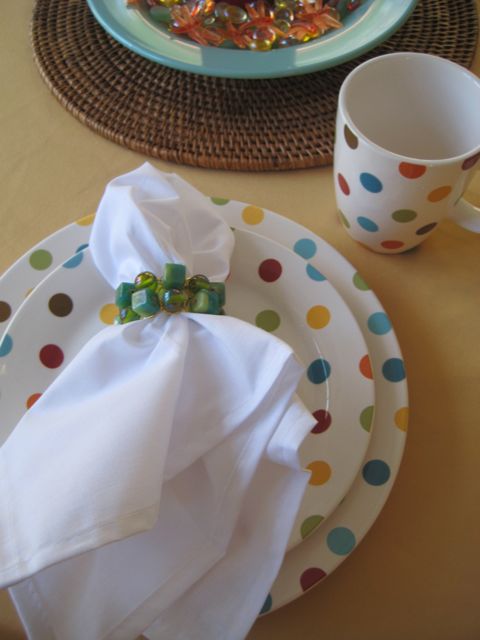 Staging (in the mid-range of home prices — not the very high end) is often referred to as “undecorating.” We take great pains to remove all the homeowner’s treasured collections, family photos, and personalized sense of style and substitute a more generic brand of “decor” that is most likely to appeal to a broad range of potential home buyers. Sometimes the job entails de-cluttering and a little rearranging of the furniture. Other times, we strip wallpaper, repaint, and rejuvenate a house that hasn’t seen any upgrades in… ahem… awhile.
For those of you who are curious, I just posted some Before & After photos of some recent projects to give you an idea of what happens with staging. Most of the homes pictured sold within 2 weeks of going on the market (with the help of superb real estate agents, of course, setting an appropriate price for each property, and very motivated and cooperative sellers who were willing to go the extra mile– it’s a partnership!).
Here’s the link:
Can I Paint My 1960s Ranch?
June 21, 2011 § 3 Comments
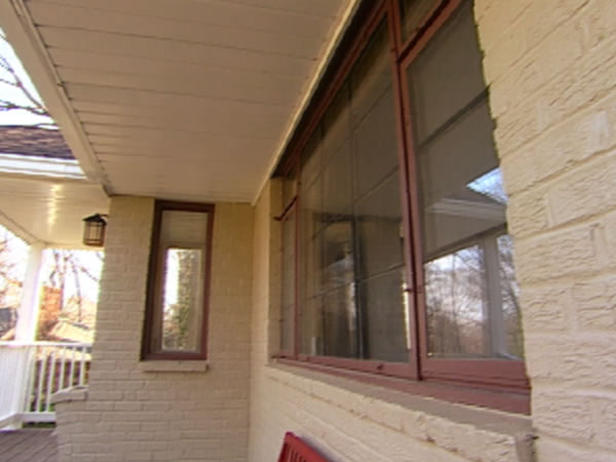 The answer is yes! With the growing popularity of the spray-painting technique for painting houses (not just lawn furniture anymore), it is becoming easier to paint over rough, textured surfaces like brick and get a good result in a reasonable amount of time.
Check out HGTV.com for some great before-and-after brick house projects. In one show, “Curb Appeal: The Block,” the designer John Gidding takes a paint sprayer to an old ’60s ranch and brings it into the new millenium.
Check with your paint store first, of course. And you might want to hire a professional painter to avoid over-spraying into your neighbor’s driveway (not a good thing…). But if you have a brick house with a) zig-zag-patterned brick; b) really obnoxious brick colors; or c) just tired, run-down plain old red brick, then get inspired! Paint will give your house a fresh new look!
Update Your Backsplash to Sell
June 17, 2011 § 3 Comments
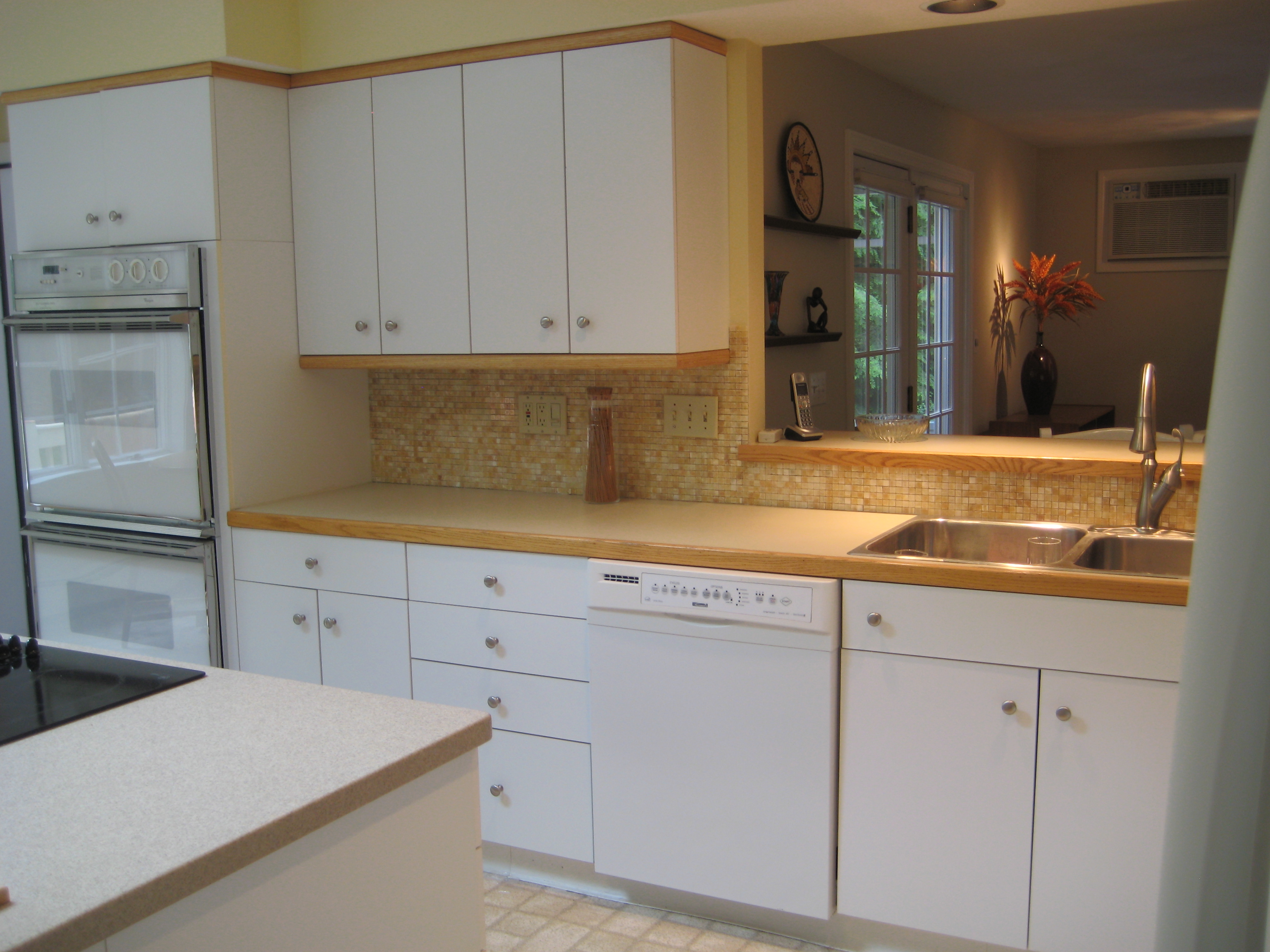
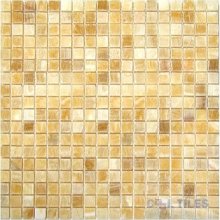 Honey onyx mosaic tiles — love ’em! We switched out the old ceramic backsplash in a “modern” kitchen (still had Formica counters with oak trim) and updated the look of the whole room (okay, we changed the cabinet knobs too). The white melamine cabinets, Formica counter tops, and linoleum floor all stayed! It was a wonderful transformation for a minimal cost to the homeowners who were updating to sell.
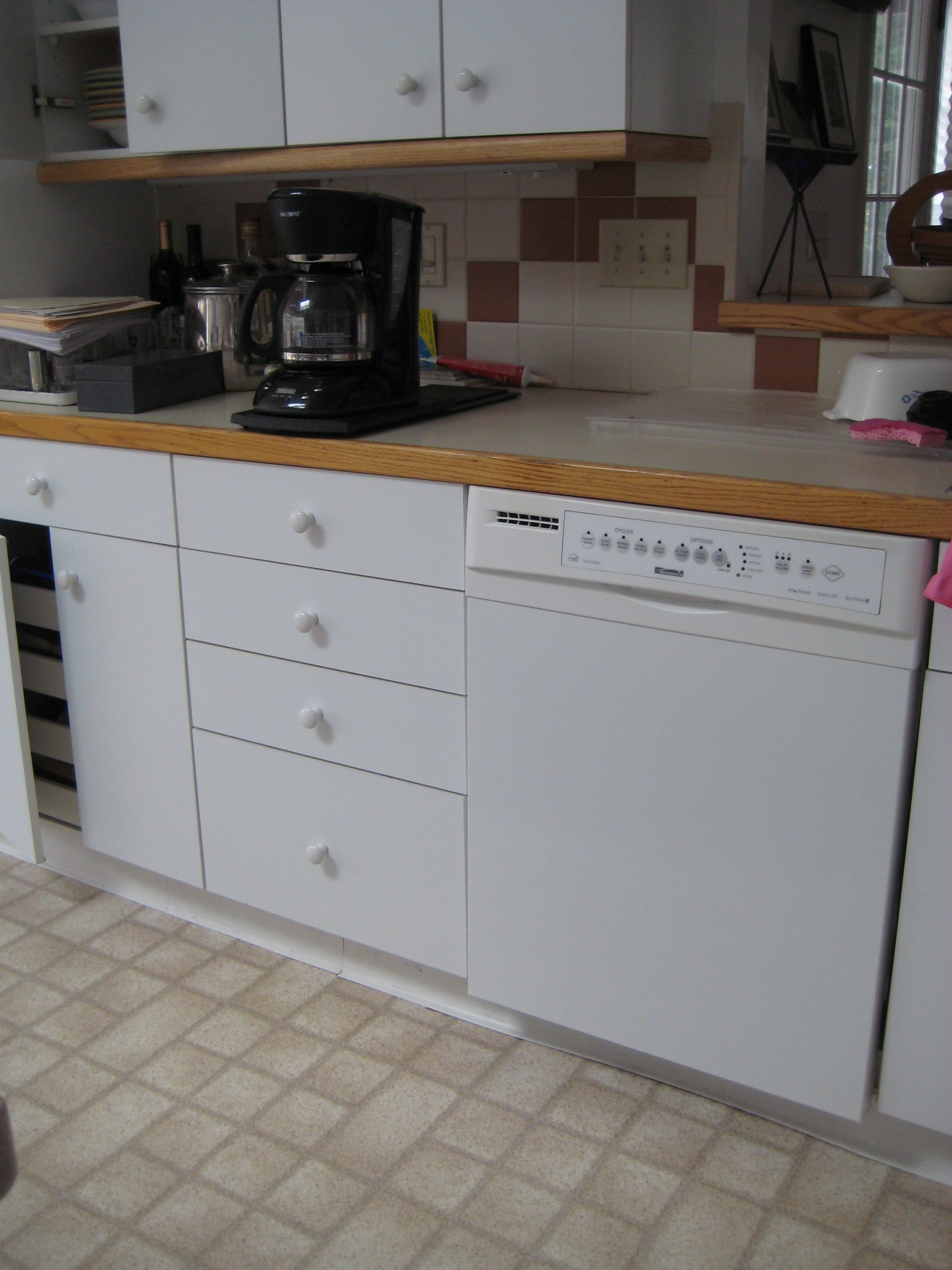
We chose the onyx for its variety of warm colors (would blend the oak trim nicely), its scale (the small tiles would add interest to the plain white cabinets), and its ease of installation (mosaics require fewer cuts!). The biggest benefit? These tiles came from one of our prominent “big box” stores so the homeowners did not pay a lot for materials. A bonus when you’re preparing your home for the market!
Kitchen Update to Sell
June 16, 2011 § Leave a comment
 It’s all about the kitchen. No other room in the house gets more scrutiny during a home viewing than the place where the family hangs out the most. And savvy buyers know what they’re looking for: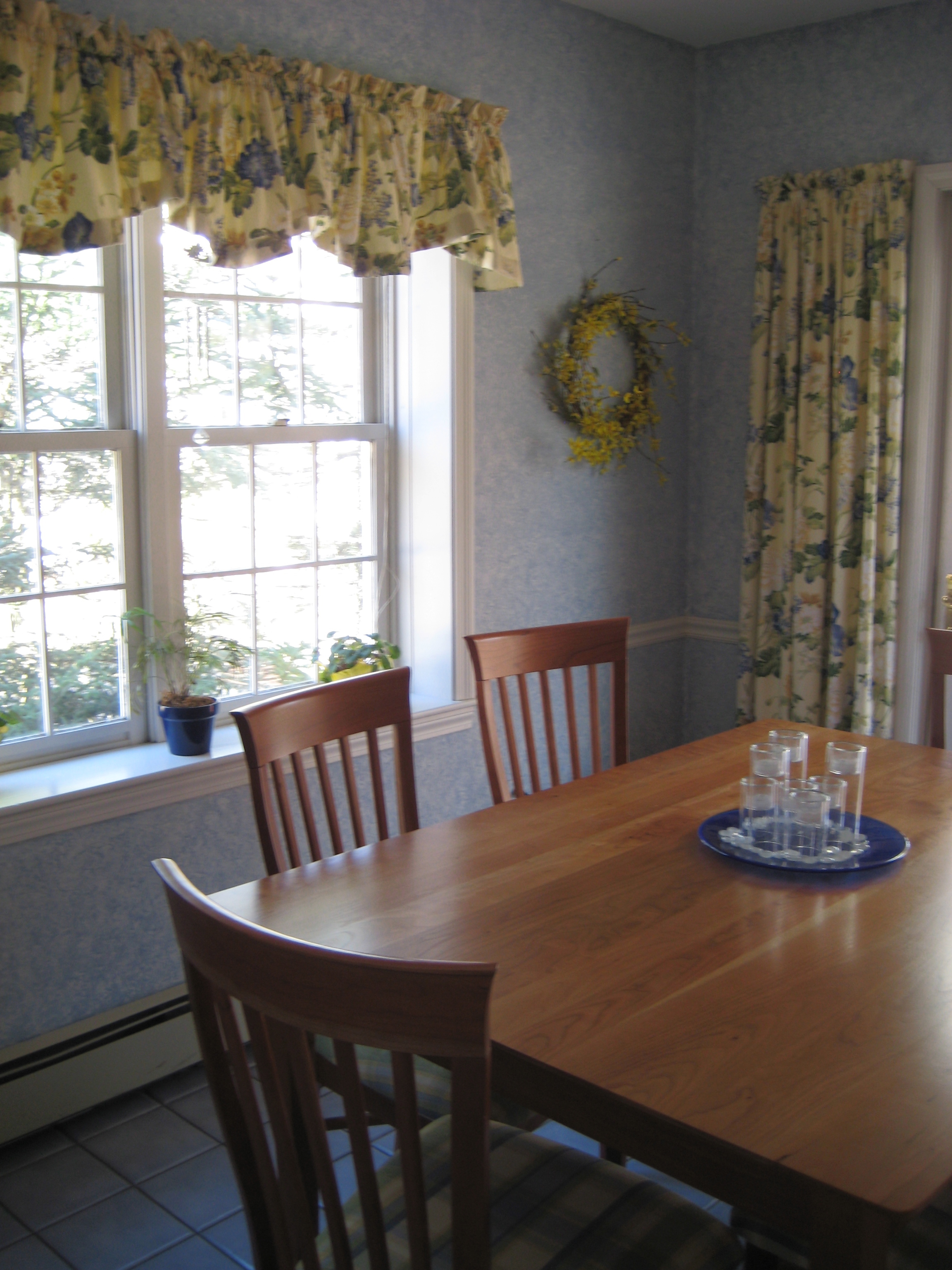
- Granite counters (still — although that may change with more younger buyers wanting newer “green” materials);
- Stainless steel appliances (still — although appliances that at least match are a start);
- No faux and no wallpaper (neutral walls that are freshly painted with no-VOC paints give buyers a break when it comes to move-in time); and
- No vinyl (floors in tile or wood are preferred — although cork and other materials may come into their own, again with younger buyers).
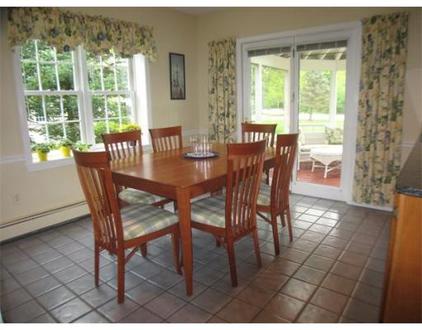
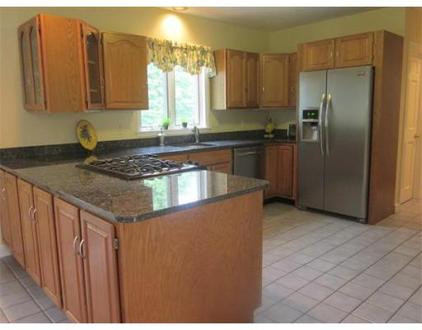 This homeowner opted for new appliances — all stainless — to replace the ones original to the house. Then we replaced the white Formica countertop with Blue Pearl granite to coordinate with the blue tile floor (staying). The faux finish was primed over with a light yellow paint color that came from the background color on the fabric window panels. The cabinets got new nickel knobs to replace the brass. Countertop appliances and knick-knacks were stored to feature the new granite.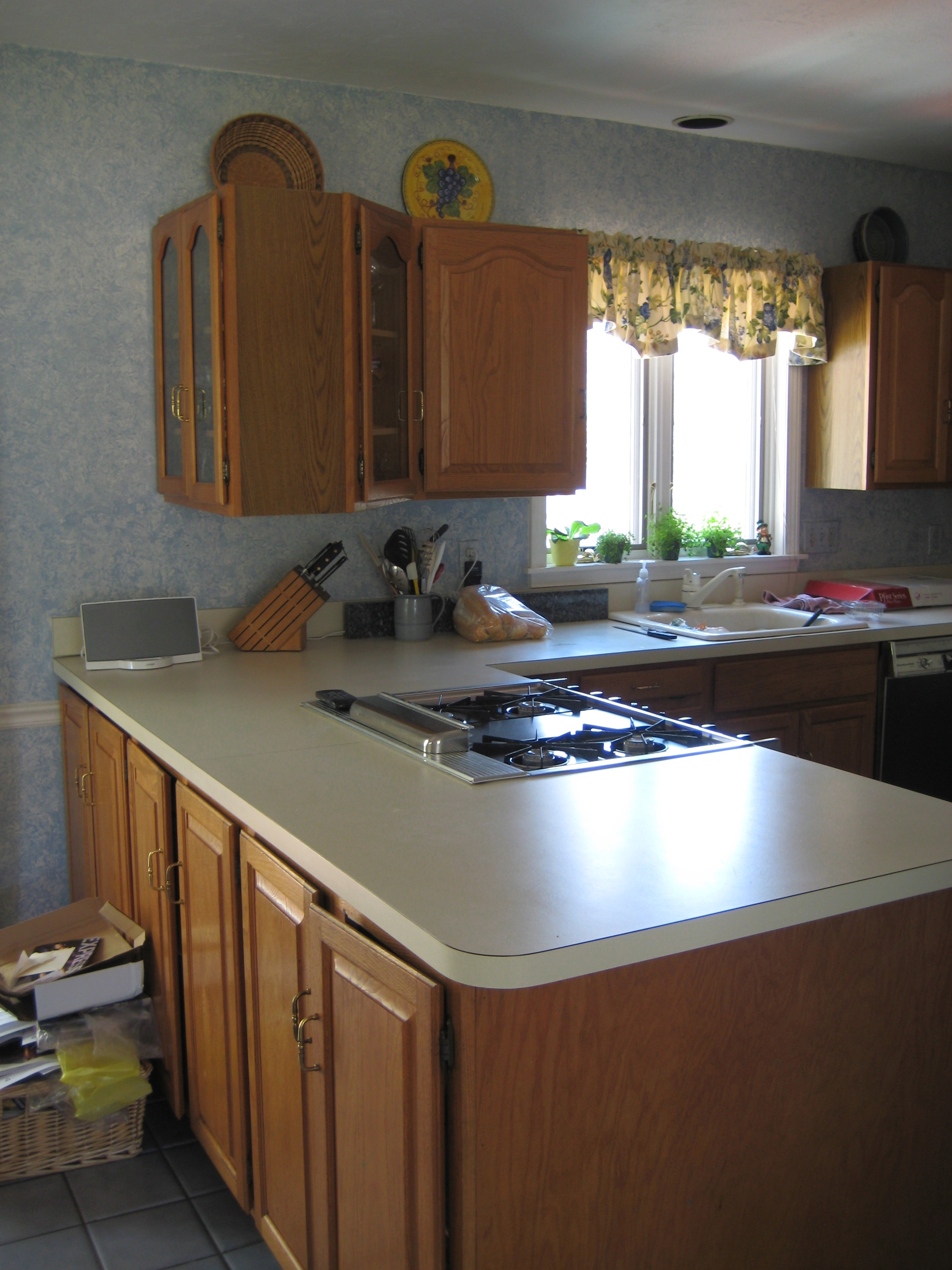
The result was an updated kitchen. No need to change the footprint, mess with the floor, or switch out cabinets. Move-in condition for the new buyers.
Vacant Home Not Selling? Stage It
June 16, 2011 § Leave a comment
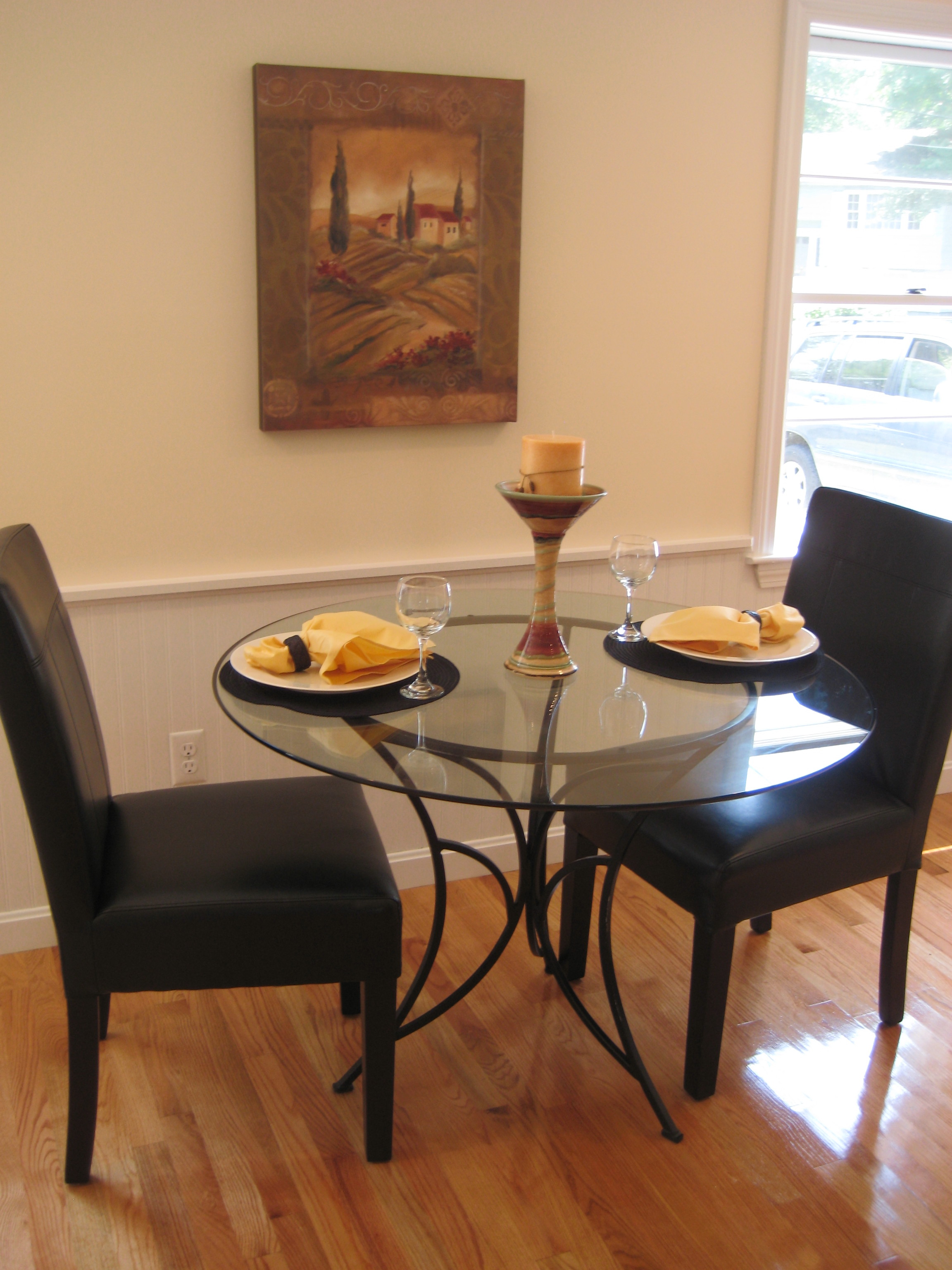 Home buyers these days have no imagination! No offense intended, but let’s just say that home buyers are not in the mood for trying to figure out how a room is intended for use. If they walk into a house with no furniture anywhere,
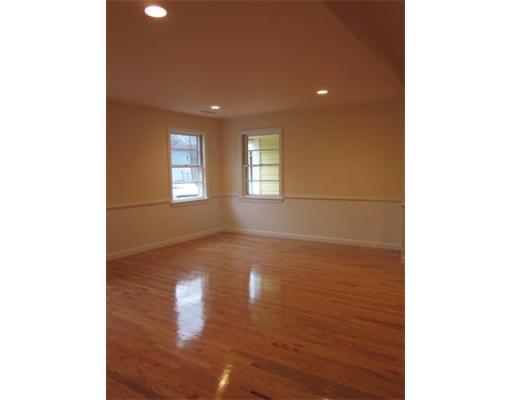 potential buyers are likely to say, “Oh, forget it!” and move on to the next property. Since the market is flooded with perfectly nice properties that are furnished, selling a vacant one is risky and maybe a tad foolish. Only because there’s a reasonable solution.
Stage it.
And here’s how: If you are a seller about ready to pack up and head for your new home, hold the movers at bay for one more minute. Go through the house (with your realtor or a professional stager) and tag the furniture that will stay in the property while it’s on the market. Things like a table and chairs for the dining room — under the chandelier — and maybe the breakfast nook, a couple of comfortable chairs for the living room or family room, a sofa if possible, an area rug in decent shape, some dishes and glassware for the tables, and at least one piece of “generic” art (something that will appeal to ALL buyers, not just some). The rest of the furnishings can go!
Then at least when the potential buyers open the front door, they will see an uncluttered yet welcoming arrangement of furniture in the appropriate rooms and get the idea of where their own furnishings might go. You’re on your way to selling!!


 Your Home & Color Coach