
Lighting Makes All the Difference
March 11, 2010 § Leave a comment
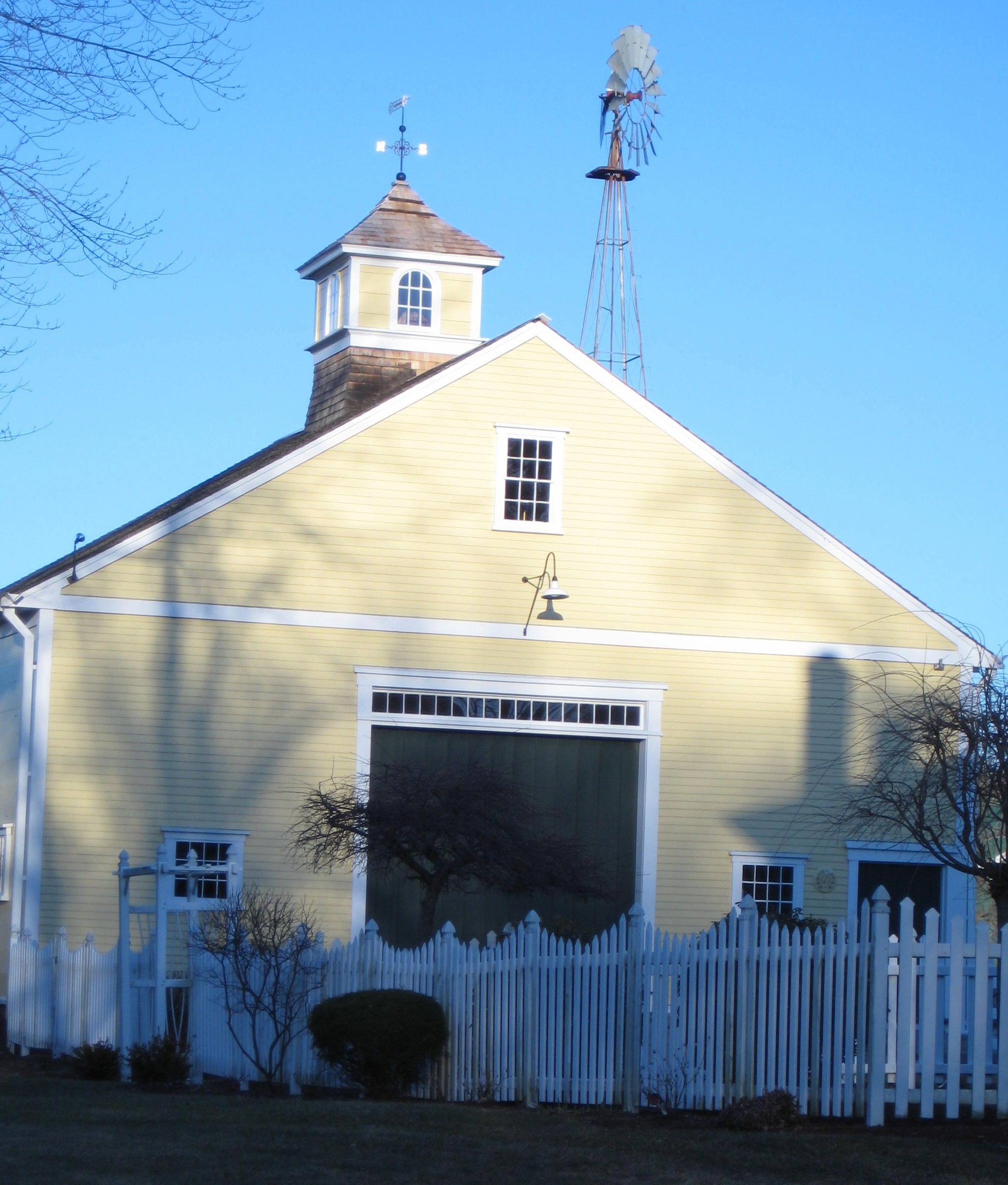 This yellow historic New England barn has lots of terrific architectural elements — cupula, weathervane, clerestory windows over the door, even a windmill in the back — but find the light fixture on this massive building! It’s the tiny white squiggle right above the big green barn door. Rats! A missed opportunity to finish this grand piece of history in style.
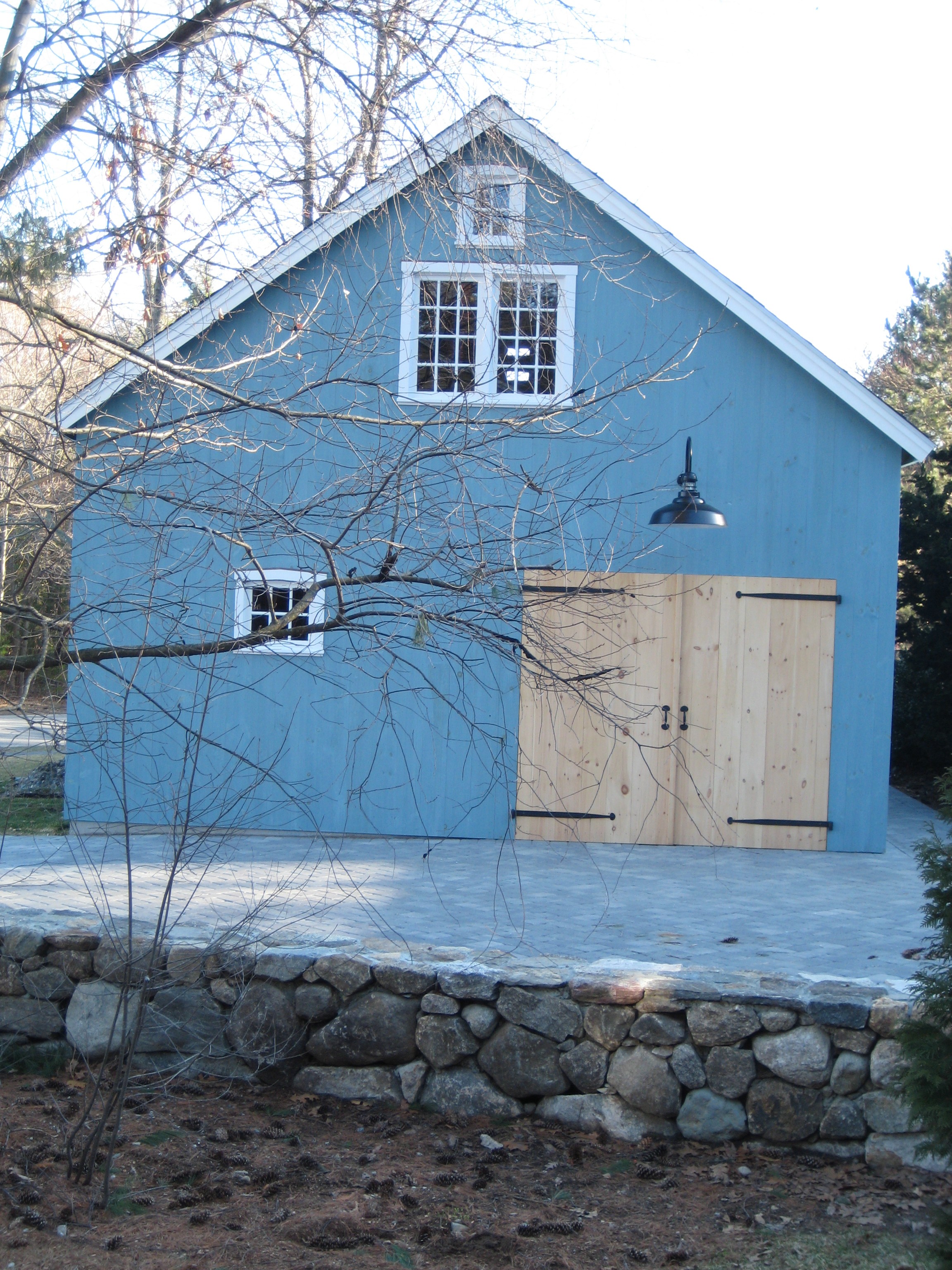
Here’s another example of a big barn (it also has a cupula out of view), but it has an appropriately scaled light fixture above the door. This blue barn has my vote. Nice!
Choosing Exterior Lighting
March 6, 2010 § Leave a comment
 Stand at the curb and take a look at your lights on the porch and garage. Do they stand out or can you barely see them unless they’re turned on? Most exterior lights are too small for the scale of the house. In many cases, they look absolutely puny from the street. Not good…
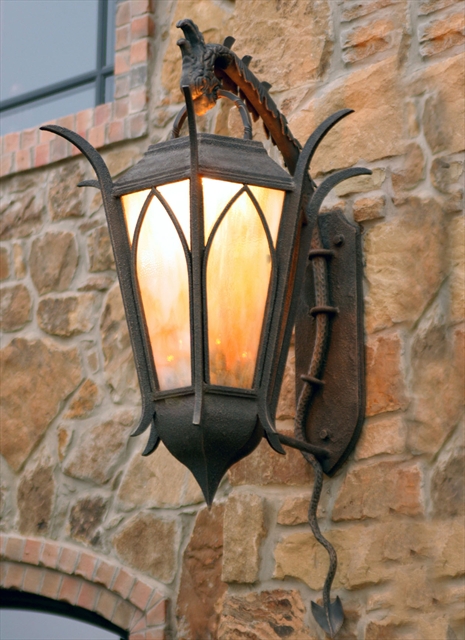
The light fixture pictured here is a Medieval Dragon Lantern from www.artisancraftedlighting.com and it really makes a statement. The scale of this lantern (it’s 51″ high and 32″ wide) fits its grand home. But even if you don’t live in a castle, your lights should be large enough to fit the scale of your door. Here’s the guideline:
A light next to the front door should be about 1/3 the height of the door and placed at least 66″ from the floor. If you have two lights, one on either side of the door, they can be a little smaller (1/4 the height of the door).
When in doubt, keep searching for the right lights. You may not find them at your typical big box stores, but they’re worth hunting for! You’ll add a real touch of class to your exterior with appropriately sized lighting.
Good Design Learns from History
February 4, 2010 § 2 Comments
 This historic New England barn is original to the property, and its characteristic beauty helps to define the classic regional style. Owning an historic property can be a real joy for those whose passion is preserving the beauty of the past, but don’t think you have to own a historic treasure to enjoy the pleasures of a striking outbuilding.
If you need more space for a workroom or your vehicles, you can add a lot of character to your property by incorporating the unmatched elements, colors, and materials used in previous centuries to make your own history, whether it’s a barn, a large work shed, or simply your garage.
I get lots of questions about how to match exterior colors and blend materials between house and garage, but as you can see from this photo, there’s absolutely nothing matching between this barn and the accompanying house. From the unpainted board-and-batten style siding, brass lighting, and farm-style scale, this barn stands on its own. The colonial house has traditional, painted, horizontal lap siding and white windows. The bridge color between house and barn is black — the black windows on the barn carry over to the accent color on the house (note the black shutters and lighting as well as the black pergola and fence next to the driveway). By painting the wood accessories on the house black instead of leaving them natural, the unpainted barn takes center stage.
Even if you have no plans to build a major additional structure in your yard, keep this basic design principle in mind when you’re working on your exterior. Colors and materials do not have to match.
Contemporary Color Scheme
January 7, 2010 § 5 Comments
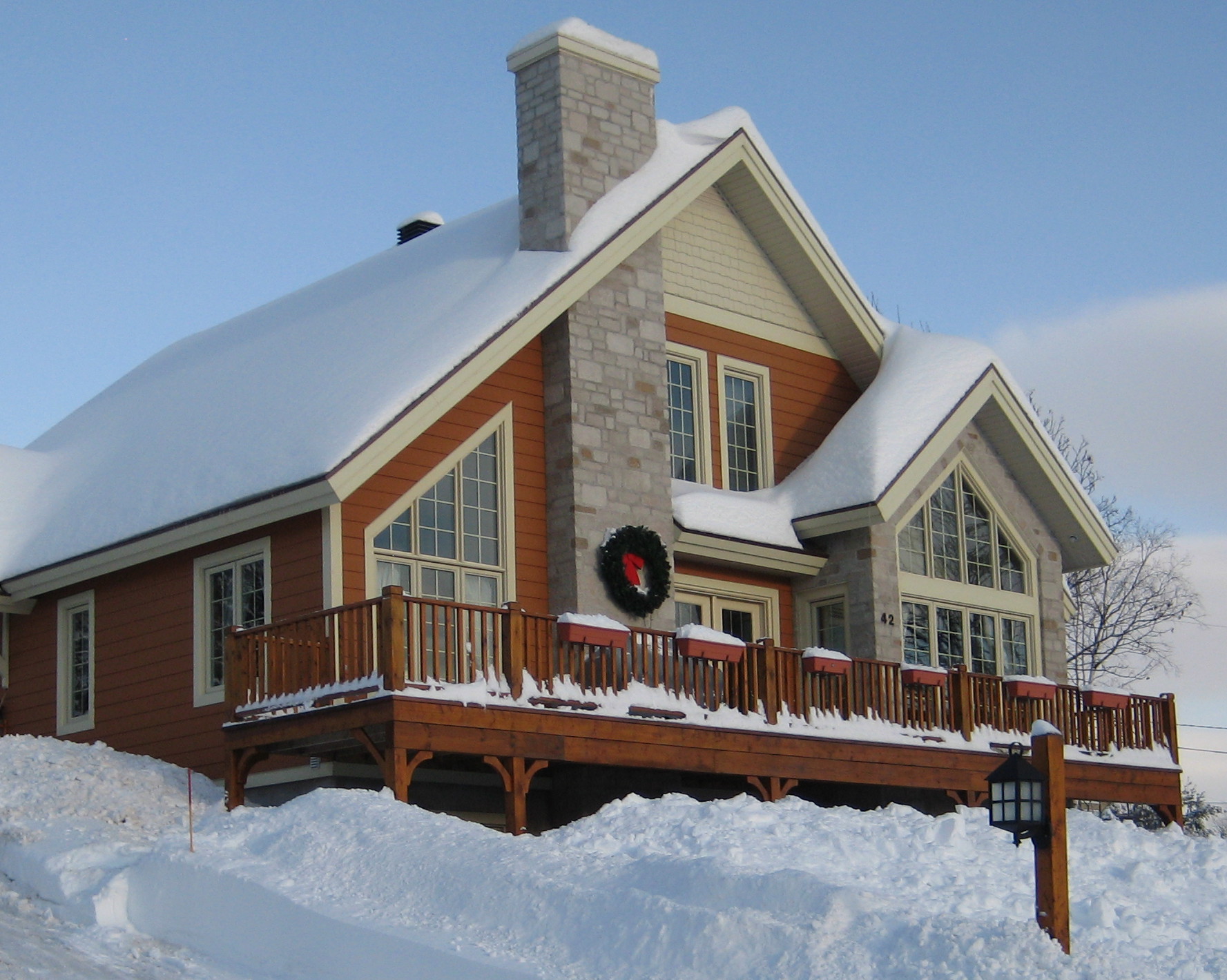 This contemporary home maintains its warm curb appeal even in the snowy winter months. It looks like the homeowner started with the fabulous stonework on the chimney and gable area and selected the siding and trim colors out of that. The dark rich chestnut shade is perfect for the body of this large contemporary home. When you are selecting a color for your home, don’t shy away from strong colors, especially if your home is large. Just make sure you choose a color that appears somewhere in nature so that the house fits into the neighborhood. With new construction, you can also work in the window color and the deck stain so that everything coordinates. Even the post light style picks up the pattern in the windows. Nice job! Let’s hope these homeowners have a sizeable snowblower! Yikes.
Color Your Holidays
December 2, 2009 § Leave a comment
If you yearn for a fresh holiday look this season and prefer to leave the traditional decorations in the attic, try a more contemporary color scheme: apple green and silver; coral and gold; robin’s egg blue and white. As long as you add sparkle with shiny metals and twinkle lights, almost any color combination will look festive.
If your neutral or pastel color palette is soft and calming, and bold traditional colors seem to clash with your home’s style, then try using whites for your holiday color scheme:  white candles, white ornaments (like the ones in the photo available from Amazon.com), white dishes, white wrapping paper, and white lights. All the winter whites against your pastel palette will look quite striking.
If holiday memories are most important, then haul out the boxes and baskets of ornaments and figurines and revel in the nostalgia of your own traditions. No picture-perfect holiday décor can replace the fun of reliving childhood experiences and sharing stories from one generation to the next. Who cares if Grandma’s favorite tablecloth is a little worn around the edges. Use it anyway and enjoy this family time.
Happy Holidays from Your Home & Color Coach
Light Up the Holidays
November 24, 2009 § Leave a comment
What’s the one thing that separates this holiday season from all other holidays throughout the year? The sparkle and shimmer of lights. Regardless of what holiday colors we use to decorate our homes or even the particular holiday itself, decorating with lights tells everyone we are celebrating. Traditionally, we hang candles in the windows and string lights across the bushes to enhance our holiday curb appeal. We decorate with lights on the inside as well: the warm glow of firelight, candles on the dinner table, and maybe even a magnificent sparkling tree.
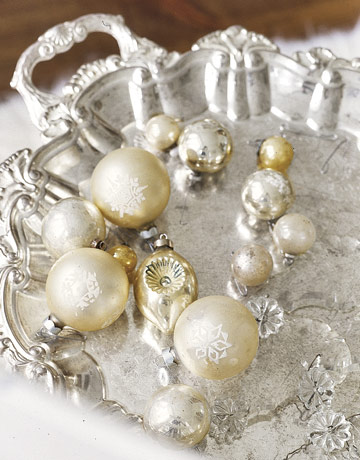 This year, instead of altering your color palette for the holidays with the reds and greens of Christmas or blues of Hanukkah, focus on adding light to your home. One easy and “green” way to add light is by using reflective metals like silver and lots of glass. All the silver and glass will bounce light around the room and help to make any color scheme ready for the holidays. Look for old treasures from the attic or even the consignment store, especially silver ornaments, glass ornaments, silver candlesticks, glass candlesticks, mirrors, and silver trays like the one shown in this photo from Country Living Magazine (www.countryliving.com). Add white candles, white twinkle lights, and some evergreen cuttings from your yard, and voila! For maximum light reflection and a real wow factor, hang a giant mirrored ball (yes, disco) from the ceiling. Okay, you get the idea…
Enjoy your holidays!
Pre-Teen Bedroom Makeover
November 6, 2009 § Leave a comment
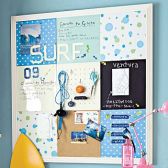 This cork board from the Pottery Barn Kids catalogue was the inspiration for Hannah’s bedroom renovation. We decided to open up her rather small room by painting wide horizontal stripes all the way around the room in three different tones of blue-green with a white stripe between them. The treatment conjured up, at least in my mind, waves on the beach.

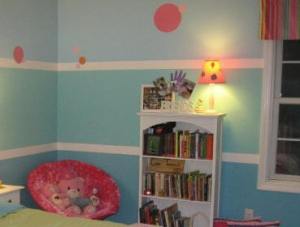
Then we punctuated the stripes with random placement of bright pink dot appliques, a perfect way to accessorize without adding anything permanent. White furniture, grass green/blue/white bedding with pink polka dotted pillows, and multi-colored awning stripes on the window completed the room. She was thrilled — so was I. What a fun project!
Traditional Colonial Explodes with Color
October 23, 2009 § Leave a comment
 Picking a house color is a little tricky for some people. I realize that. And because I cannot bear to show you a photo of the real house I drove by the other day (to protect the innocent), I have pasted in a paint swatch from www.myperfectcolor.com just to illustrate my point. The color was used on the siding, trim, front door, AND garage doors.
When choosing a house color, paint a fairly large swath of the color on your house before purchasing a 10-gallon container of it. Also, make sure to pick some coordinating trim and door colors to avoid the “this color was on sale” monochromatic look. Ask your neighbors to throw in their two cents before you settle on a color. What you paint on your house can affect the entire neighborhood. And lastly, if the paint you selected does not seem to be what’s going on the house, stop the painter and make sure they have the right color. Don’t just let them keep going with something you didn’t order.
The name of this color is Sunflower Fields (174). Although it has a nice name and it sounds cheerful enough, sunflowers really belong on the front door (perhaps) or in the garden. What is the bright side for these homeowners (no pun intended)? Guests can find the house with no problem.
Fall Curb Appeal??
October 20, 2009 § 2 Comments
 Ahhh, how picturesque, like this photo from Southern Living Magazine. Maybe your Fall floral vignette on the front porch features a few pumpkins in various sizes, perhaps some statuary mixed in with beautiful volumes of rust and yellow and lavendar and cream mums in big heavy terra cotta pots with … the PRICETAGS showing?? Ouch.
I wasn’t going to say anything, but after noticing this blooper two days in a row on two different doorsteps around town, I couldn’t resist. Just like removing those big tags (that say do not remove) from your sofa pillows, kindly remember to remove the big price stickers from your pots (or at least turn the pots around so we can’t see the stickers as we drive by). Curb appeal. It’s all in the details.
Paint Your Old Golden Oak Cabinets!
October 19, 2009 § 10 Comments
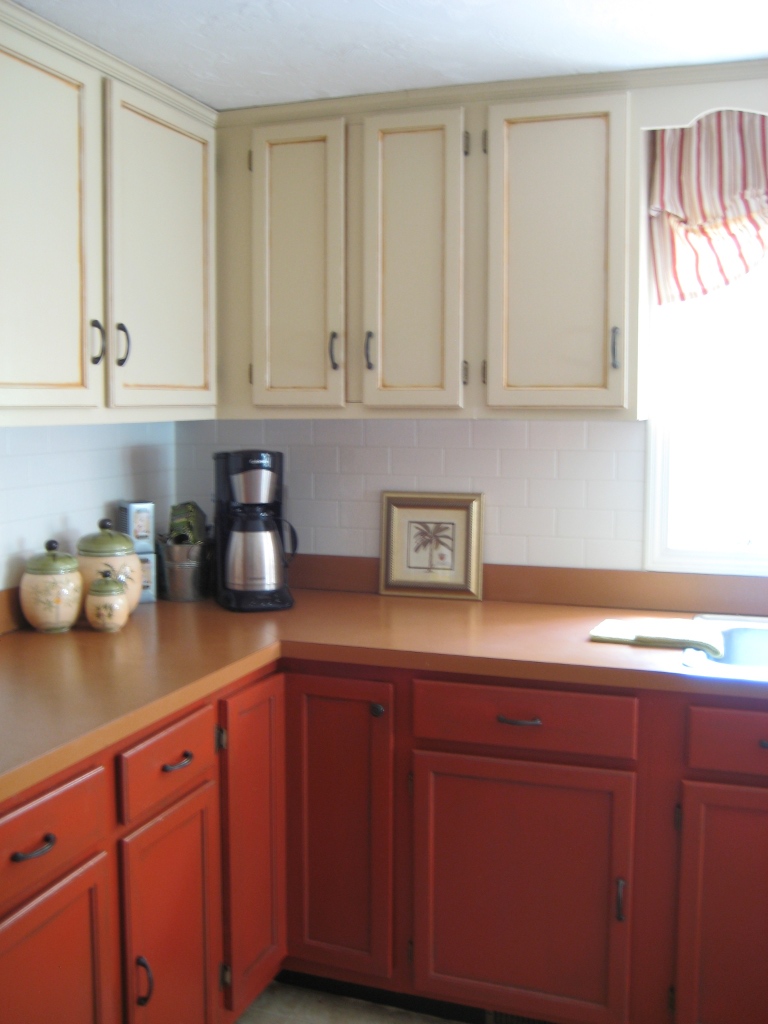
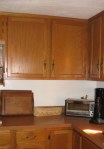 Saddled with old golden oak cabinets? Why not paint them. I did and it was very easy (though time consuming). I started by removing the doors from the cabinet base and unscrewing all the hardware. Then I lightly sanded all the surfaces. A good primer like Zinsser’s Bulls Eye 123 covered easily and provided a great base for the finish coat.
I used Valspar’s Kitchen and Bath Enamel in a Ben Moore color called Antique Parchment on the top cabinets and a Valspar color called Jekyll Club’s Cherokee Rust on the bottom cabinets (there, I plugged both companies). The cabinets looked great but I wasn’t done. In our house with kids, etc, etc, we tend to bang things up a bit so I mixed up a glaze that included some Cognac Snifter 1148 (a Ben Moore color used in an adjoining room) for the top cabinets and Branchport Brown HC-72 for the bottom. I painted the glaze into the seams and cracks in the doors and wiped it off with a rag. The look is rustic but cheerful and allows the new oil-rubbed bronze hardware to finish the room. And any future little scratches will not show. I love it!!
I tiled the backsplash (white primer in the before photo) with simple white subway tiles from Lowe’s. Not an expensive project, but I did purchase a wet saw for cutting the tile. (Looks like I have more tile projects in my future or maybe I can rent the saw out to my neighbors!) I am very happy with the end result, imperfections and all, and I do not miss my golden oak cabinets! I would highly recommend painting cabinets if a total kitchen re-do is not in the budget or if you’re planning to sell your house and you have ugly kitchen cabinets. The project will be worth it!


 Your Home & Color Coach